Buy bpositive.eu ?
We are moving the project
bpositive.eu .
Are you interested in purchasing the domain
bpositive.eu ?
domain@kv-gmbh.de · 0541-91531010
Buy bpositive.eu ?
What intermolecular forces exist?
Intermolecular forces are the forces of attraction and repulsion between molecules. The main types of intermolecular forces include London dispersion forces, dipole-dipole interactions, and hydrogen bonding. London dispersion forces are the weakest type of intermolecular force and occur between all molecules. Dipole-dipole interactions occur between polar molecules, where the positive end of one molecule is attracted to the negative end of another. Hydrogen bonding is a special type of dipole-dipole interaction that occurs when hydrogen is bonded to highly electronegative atoms like oxygen, nitrogen, or fluorine. **
What are intermolecular interactions?
Intermolecular interactions are the forces of attraction or repulsion between molecules. These interactions play a crucial role in determining the physical and chemical properties of substances. Examples of intermolecular interactions include hydrogen bonding, van der Waals forces, and dipole-dipole interactions. These forces can affect properties such as boiling and melting points, solubility, and viscosity. **


Similar search terms for Intermolecular
Top-Angebote
Products related to Intermolecular:
-
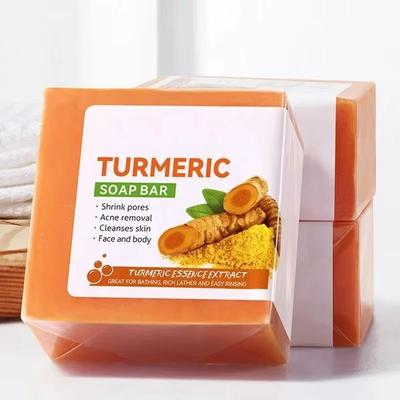
Inspired Finds Glow & Renew Turmeric Brightening Soap For Underarms, Legs & Face Glow & Renew Turmeric Brightening Soap For Underarms, Legs & FaceReveal Radiance with Every Wash Step into a new level of skin confidence with our Glow & Renew Turmeric Brightening Soap a gentle yet powerful way to reclaim your natural glow. Handcrafted with care, this skinloving bar is ideal for anyone looking...41,99 $*Shipping: 0,00 $Secure redirect to the provider
-
Balance Me Glow + Repair AHA Glow Mask 50mlDelivering triple-action chemical exfoliation, the brilliant Glow Mask effectively restores skin radiance. With a blend of fruit acids, including glycolic, malic and lactic acids, this brightening face mask deeply purifies and plumps skin, revealing a more youthful, luminous complexion in less than 15 minutes. Boasting kaolin clay, this glow-boosting face mask draws out impurities and preserves skin’s natural moisture barrier, locking-in hydration and combating potential irritants. Suitable for all skin types and life stages; particularly suited to dull and blemish-prone skin. Ingredients Aqua (Water), Kaolin, Glycerin, Cetearyl Alcohol, Caprylic/Capric Triglyceride, Prunus Amygdalus Dulcis (Sweet Almond) Oil, Glyceryl Stearate, Citric Acid, Glycolic Acid, Lactic Acid, Cetearyl Glucoside, Malic Acid, Tartaric Acid, Pyrus Malus (Apple) Fruit Extract, Vaccinium Myrtillus Fruit Extract, Vitis Vinifera (Grape) Fruit Extract, Citrus Medica (Lemon) Fruit Juice Extract, Saccharum Officinarum (Sugar Cane) Extract, Angelica Archangelica (Angelica) Leaf Oil, Pelargonium Roseum (Rose Geranium) Leaf Oil, Tilia Cordata (Linden) Oil, Lavandula Angustifolia (Lavender) Flower Oil, Anthemis Nobilis (Roman Chamomile) Flower Oil, Cananga Odorata (Ylang Ylang) Flower Oil, Mentha Viridis (Spearmint) Leaf Oil, Eucalyptus Globulus (Eucalyptus) Leaf Oil, Aloe Barbadensis (Aloe Vera) Leaf Juice Powder, Silica, Chondrus Crispus (Carrageenan) Powder, Tocopherol (Vitamin E), Sodium Stearoyl Lactylate, Sodium Hydroxide, Dehydroacetic Acid, Benzyl Alcohol, Linalool, Limonene, Geraniol, Benzyl Benzoate25,00 £*Shipping: 2,95 £Secure redirect to the provider
-
Bperfect Perfection Primer - Illuminating for a Radiant Glow 35mL Champagne GlowA facial cream. Unveil a radiant masterpiece with Perfection Primer - Illuminating. Infused with Camellia oil and vitamins A and E, this primer bestows a flawless matte finish while nurturing your skin. Transform into a masterpiece with Perfection Primer - Illuminating. Infused with Camellia oil for nourishment.12,72 £*Shipping: 4,17 £Secure redirect to the provider
-
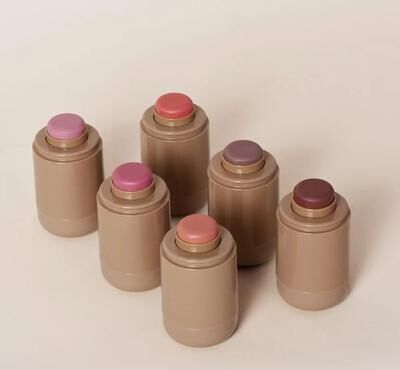
Uplift Essentials 3 in 1 Cream Blush & Radiant Lip Glow Stick bronze GlowSimplify your beauty ritual with a highperformance, multitasking essential that brings a natural, monochromatic glow to your entire face. This 3in1 blush stick is the ultimate solution for the modern individual who wants to brighten their facial...55,97 $*Shipping: 0,00 $Secure redirect to the provider


-
What are intermolecular forces?
Intermolecular forces are the attractive forces that exist between molecules. These forces are responsible for holding molecules together in a liquid or solid state. There are several types of intermolecular forces, including hydrogen bonding, dipole-dipole interactions, and London dispersion forces. These forces play a crucial role in determining the physical properties of substances, such as their boiling and melting points, as well as their solubility and viscosity. **
-
How are intermolecular forces classified?
Intermolecular forces are classified into three main categories: dispersion forces, dipole-dipole forces, and hydrogen bonding. Dispersion forces are the weakest type of intermolecular force and are caused by temporary fluctuations in electron distribution within molecules. Dipole-dipole forces occur between polar molecules and are stronger than dispersion forces. Hydrogen bonding is the strongest type of intermolecular force and occurs when hydrogen is bonded to highly electronegative atoms like oxygen, nitrogen, or fluorine. **
-
What are strong intermolecular interactions?
Strong intermolecular interactions are attractive forces between molecules that are stronger than typical van der Waals forces. These interactions can include hydrogen bonding, dipole-dipole interactions, and ion-dipole interactions. Strong intermolecular interactions play a crucial role in determining the physical properties of substances such as boiling point, melting point, and solubility. They are important in various biological processes, such as protein folding and DNA replication. **
-
Which intermolecular interactions are possible?
Intermolecular interactions that are possible include hydrogen bonding, dipole-dipole interactions, and London dispersion forces. Hydrogen bonding occurs when a hydrogen atom is bonded to a highly electronegative atom such as oxygen, nitrogen, or fluorine. Dipole-dipole interactions occur between molecules with permanent dipoles, while London dispersion forces are the weakest intermolecular interactions and occur between all molecules due to temporary fluctuations in electron distribution. These interactions play a crucial role in determining the physical properties of substances such as boiling and melting points. **


What are intermolecular interactions in chemistry?
Intermolecular interactions are the forces of attraction or repulsion between molecules. These interactions play a crucial role in determining the physical properties of substances, such as boiling point, melting point, and solubility. The main types of intermolecular interactions include hydrogen bonding, dipole-dipole interactions, and van der Waals forces. These interactions are weaker than chemical bonds within a molecule, but they still significantly impact the behavior and properties of substances. **
Which intermolecular forces are the strongest?
The strongest intermolecular forces are hydrogen bonding, which occurs when a hydrogen atom is bonded to a highly electronegative atom such as oxygen, nitrogen, or fluorine. Hydrogen bonding is stronger than dipole-dipole interactions and London dispersion forces. This is because hydrogen bonding involves a particularly strong attraction between the partially positive hydrogen atom and the partially negative atom it is bonded to, leading to a higher energy of interaction compared to other intermolecular forces. **
Top-Angebote
Products related to Intermolecular:
-
Good Directions "20"" Tranquil Harmony Bird Bath Basin"Introduce tranquility to your avian companions with this exquisite copper basin. Crafted with the utmost care, the inner surface of this birdbath features delicate hand-punched, beaded embellishments, gracefully adorning the dark brass, rubbed...107,89 $*Shipping: 0,00 $Secure redirect to the provider
-
Inspired Finds Glow & Renew Turmeric Brightening Soap For Underarms, Legs & Face Glow & Renew Turmeric Brightening Soap For Underarms, Legs & FaceReveal Radiance with Every Wash Step into a new level of skin confidence with our Glow & Renew Turmeric Brightening Soap a gentle yet powerful way to reclaim your natural glow. Handcrafted with care, this skinloving bar is ideal for anyone looking...41,99 $*Shipping: 0,00 $Secure redirect to the provider
-
Balance Me Glow + Repair AHA Glow Mask 50mlDelivering triple-action chemical exfoliation, the brilliant Glow Mask effectively restores skin radiance. With a blend of fruit acids, including glycolic, malic and lactic acids, this brightening face mask deeply purifies and plumps skin, revealing a more youthful, luminous complexion in less than 15 minutes. Boasting kaolin clay, this glow-boosting face mask draws out impurities and preserves skin’s natural moisture barrier, locking-in hydration and combating potential irritants. Suitable for all skin types and life stages; particularly suited to dull and blemish-prone skin. Ingredients Aqua (Water), Kaolin, Glycerin, Cetearyl Alcohol, Caprylic/Capric Triglyceride, Prunus Amygdalus Dulcis (Sweet Almond) Oil, Glyceryl Stearate, Citric Acid, Glycolic Acid, Lactic Acid, Cetearyl Glucoside, Malic Acid, Tartaric Acid, Pyrus Malus (Apple) Fruit Extract, Vaccinium Myrtillus Fruit Extract, Vitis Vinifera (Grape) Fruit Extract, Citrus Medica (Lemon) Fruit Juice Extract, Saccharum Officinarum (Sugar Cane) Extract, Angelica Archangelica (Angelica) Leaf Oil, Pelargonium Roseum (Rose Geranium) Leaf Oil, Tilia Cordata (Linden) Oil, Lavandula Angustifolia (Lavender) Flower Oil, Anthemis Nobilis (Roman Chamomile) Flower Oil, Cananga Odorata (Ylang Ylang) Flower Oil, Mentha Viridis (Spearmint) Leaf Oil, Eucalyptus Globulus (Eucalyptus) Leaf Oil, Aloe Barbadensis (Aloe Vera) Leaf Juice Powder, Silica, Chondrus Crispus (Carrageenan) Powder, Tocopherol (Vitamin E), Sodium Stearoyl Lactylate, Sodium Hydroxide, Dehydroacetic Acid, Benzyl Alcohol, Linalool, Limonene, Geraniol, Benzyl Benzoate25,00 £*Shipping: 2,95 £Secure redirect to the provider
-
What intermolecular forces exist?
Intermolecular forces are the forces of attraction and repulsion between molecules. The main types of intermolecular forces include London dispersion forces, dipole-dipole interactions, and hydrogen bonding. London dispersion forces are the weakest type of intermolecular force and occur between all molecules. Dipole-dipole interactions occur between polar molecules, where the positive end of one molecule is attracted to the negative end of another. Hydrogen bonding is a special type of dipole-dipole interaction that occurs when hydrogen is bonded to highly electronegative atoms like oxygen, nitrogen, or fluorine. **
-
What are intermolecular interactions?
Intermolecular interactions are the forces of attraction or repulsion between molecules. These interactions play a crucial role in determining the physical and chemical properties of substances. Examples of intermolecular interactions include hydrogen bonding, van der Waals forces, and dipole-dipole interactions. These forces can affect properties such as boiling and melting points, solubility, and viscosity. **
-
What are intermolecular forces?
Intermolecular forces are the attractive forces that exist between molecules. These forces are responsible for holding molecules together in a liquid or solid state. There are several types of intermolecular forces, including hydrogen bonding, dipole-dipole interactions, and London dispersion forces. These forces play a crucial role in determining the physical properties of substances, such as their boiling and melting points, as well as their solubility and viscosity. **
-
How are intermolecular forces classified?
Intermolecular forces are classified into three main categories: dispersion forces, dipole-dipole forces, and hydrogen bonding. Dispersion forces are the weakest type of intermolecular force and are caused by temporary fluctuations in electron distribution within molecules. Dipole-dipole forces occur between polar molecules and are stronger than dispersion forces. Hydrogen bonding is the strongest type of intermolecular force and occurs when hydrogen is bonded to highly electronegative atoms like oxygen, nitrogen, or fluorine. **
Similar search terms for Intermolecular
-
Bperfect Perfection Primer - Illuminating for a Radiant Glow 35mL Champagne GlowA facial cream. Unveil a radiant masterpiece with Perfection Primer - Illuminating. Infused with Camellia oil and vitamins A and E, this primer bestows a flawless matte finish while nurturing your skin. Transform into a masterpiece with Perfection Primer - Illuminating. Infused with Camellia oil for nourishment.12,72 £*Shipping: 4,17 £Secure redirect to the provider
-
Uplift Essentials 3 in 1 Cream Blush & Radiant Lip Glow Stick bronze GlowSimplify your beauty ritual with a highperformance, multitasking essential that brings a natural, monochromatic glow to your entire face. This 3in1 blush stick is the ultimate solution for the modern individual who wants to brighten their facial...55,97 $*Shipping: 0,00 $Secure redirect to the provider
-
Inspired Finds Radiant Glow Niacinamide & Arbutin Brightening Bar Deep Cleansing Face & Body Soap Radiant Glow Niacinamide & Arbutin Brightening Bar Deep Cleansing Face & Body SoapRediscover your skins natural luminosity with a gentle, effective bar that works both on face and body. This soap is crafted for those who crave a brightening cleanser designed to visibly even tone and clear away impurities from start to finish....34,99 $*Shipping: 0,00 $Secure redirect to the provider
-
What are strong intermolecular interactions?
Strong intermolecular interactions are attractive forces between molecules that are stronger than typical van der Waals forces. These interactions can include hydrogen bonding, dipole-dipole interactions, and ion-dipole interactions. Strong intermolecular interactions play a crucial role in determining the physical properties of substances such as boiling point, melting point, and solubility. They are important in various biological processes, such as protein folding and DNA replication. **
-
Which intermolecular interactions are possible?
Intermolecular interactions that are possible include hydrogen bonding, dipole-dipole interactions, and London dispersion forces. Hydrogen bonding occurs when a hydrogen atom is bonded to a highly electronegative atom such as oxygen, nitrogen, or fluorine. Dipole-dipole interactions occur between molecules with permanent dipoles, while London dispersion forces are the weakest intermolecular interactions and occur between all molecules due to temporary fluctuations in electron distribution. These interactions play a crucial role in determining the physical properties of substances such as boiling and melting points. **
-
What are intermolecular interactions in chemistry?
Intermolecular interactions are the forces of attraction or repulsion between molecules. These interactions play a crucial role in determining the physical properties of substances, such as boiling point, melting point, and solubility. The main types of intermolecular interactions include hydrogen bonding, dipole-dipole interactions, and van der Waals forces. These interactions are weaker than chemical bonds within a molecule, but they still significantly impact the behavior and properties of substances. **
-
Which intermolecular forces are the strongest?
The strongest intermolecular forces are hydrogen bonding, which occurs when a hydrogen atom is bonded to a highly electronegative atom such as oxygen, nitrogen, or fluorine. Hydrogen bonding is stronger than dipole-dipole interactions and London dispersion forces. This is because hydrogen bonding involves a particularly strong attraction between the partially positive hydrogen atom and the partially negative atom it is bonded to, leading to a higher energy of interaction compared to other intermolecular forces. **
* All prices are inclusive of VAT and, if applicable, plus shipping costs. The offer information is based on the details provided by the respective shop and is updated through automated processes. Real-time updates do not occur, so deviations can occur in individual cases. ** Note: Parts of this content were created by AI.