Buy bpositive.eu ?
We are moving the project
bpositive.eu .
Are you interested in purchasing the domain
bpositive.eu ?
domain@kv-gmbh.de · 0541-91531010
Buy bpositive.eu ?
How can Echinacea be used for dogs?
Echinacea can be used for dogs to help boost their immune system and support their overall health. It can be given to dogs in the form of supplements, tinctures, or teas. Echinacea can help dogs fight off infections, reduce inflammation, and promote faster healing. However, it's important to consult with a veterinarian before giving Echinacea to your dog, as they can provide guidance on the appropriate dosage and potential interactions with other medications. **
How is propolis produced?
Propolis is produced by honeybees using resin collected from tree buds, sap flows, or other botanical sources. The bees mix the resin with wax, enzymes, and pollen to create propolis. They use this sticky substance to seal cracks in their hive, protect against predators and pathogens, and maintain the hive's structural integrity. The composition of propolis can vary depending on the geographic location of the bees and the types of plants available to them. **
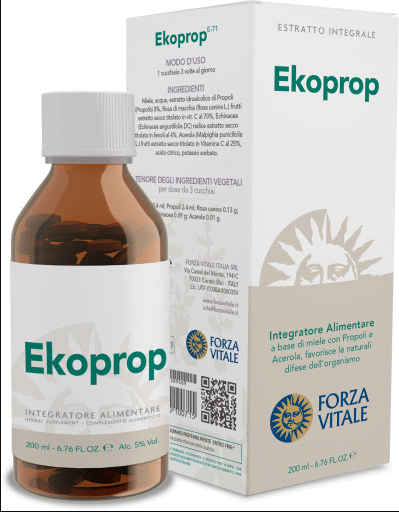
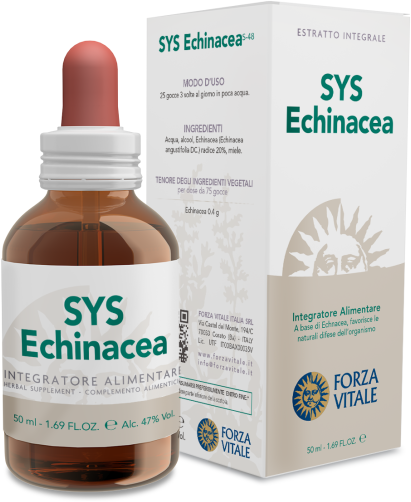
Similar search terms for Forza-Vitale-Ekoprop-Propolis-Echinacea
Top-Angebote
Products related to Forza-Vitale-Ekoprop-Propolis-Echinacea:
-
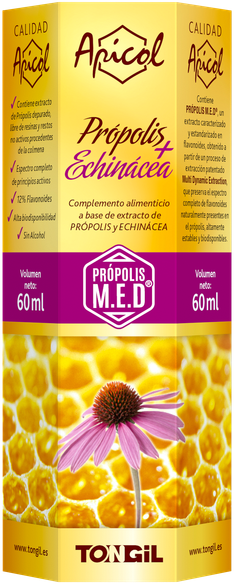
Tongil Apicol propolis + echinaceaNutrition and Supplements Royal jelly, bee pollen and propolis Tongil Apicol propolis + echinacea How to use: Shake before use.Take 30 drops, 2 to 3 times daily, alone or mixed with juice or water Presenatión: 60 mlbottlewith dropper.11,63 £*Shipping: 3,99 £Secure redirect to the provider
-
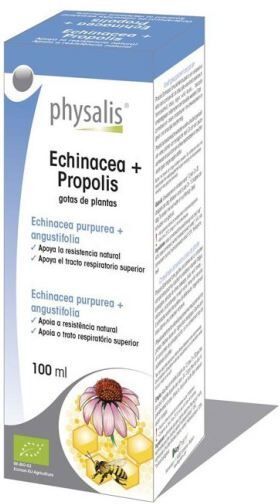
Physalis Propolis- Echinacea 101 mlNutrition and Supplements Royal jelly, bee pollen and propolis Physalis Propolis- Echinacea 101 ml Echinacea and Propolis Bio extract from Physalis is a herbal food supplement. Day after day, our natural resistance is put to the test due to temporary stress, bad weather conditions, periods of fatigue and many other external factors13,06 £*Shipping: 3,99 £Secure redirect to the provider
-
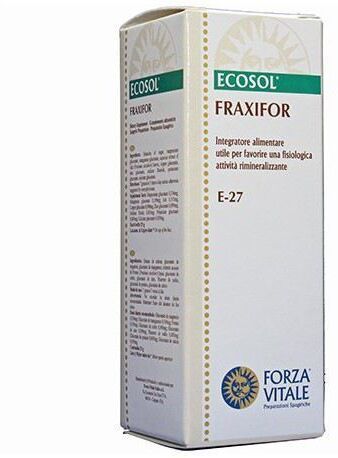
Forza Vitale Fraxifor GranulesNutrition and Supplements Special supplements Forza Vitale Fraxifor Granules Natural supplement that promotes good health. Based on natural extracts that act positively on the body. Facilitates the elimination of uric acid and joint pain.15,76 £*Shipping: 3,99 £Secure redirect to the provider
-
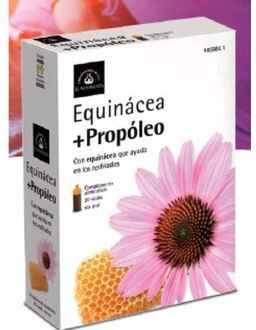
El Naturalista Echinacea Propolis 20 VialsNutrition and Supplements Royal jelly, bee pollen and propolis El Naturalista Echinacea Propolis 20 Vials Echinacea + Propolis El Naturalista is a food supplement in vials that combines the properties of Echinacea with the benefits of Propolis. Both compounds are traditionally used to stimulate the body's defenses. Echinacea is a plant that helps improve the functioning of the immune system by strengthening defenses. Propolis is a substance that bees obtain by processing tree resins in their salivary glands, thus converting it into a natural antibiotic that they use to protect the walls of the hive. Propolis is a substance composed of resin (50%), wax (30%), essential oils (10%), pollen (5%), and other organic compounds, including flavonoids (galangin, quercetin, etc.). These phenolic compounds are responsible in most cases for its properties. Honey is a highly nutritious food rich in vitamins, trace elements, and carbohydrates that strengthens the immune system and provides energy. Format: 20 Units.17,33 £*Shipping: 3,99 £Secure redirect to the provider
-
How is propolis made?
Propolis is made by honeybees collecting resin from tree buds, sap flows, or other botanical sources. The bees mix the resin with wax, enzymes, and pollen to create a sticky, greenish-brown substance. They then use this propolis to seal cracks in their hive, protect against intruders, and maintain a sterile environment. The antimicrobial properties of propolis help to keep the hive healthy and free from pathogens. **
-
Is propolis the same as beeswax?
No, propolis is not the same as beeswax. Propolis is a resinous substance that bees collect from tree buds and sap, and then mix with their own enzymes. It is used to seal and protect the beehive. Beeswax, on the other hand, is a natural wax produced by honeybees to build their honeycomb. While both propolis and beeswax are produced by bees and have similar uses in the hive, they are distinct substances with different compositions and properties. **
-
Is propolis ointment suitable for tattoos?
Propolis ointment is not typically recommended for use on tattoos. While propolis has antibacterial and anti-inflammatory properties that may help with wound healing, it can also cause allergic reactions in some individuals. It is important to use products specifically designed for tattoo aftercare to ensure proper healing and to avoid any potential adverse reactions. Consulting with a tattoo artist or dermatologist for recommendations on aftercare products would be the best course of action. **
-
Can propolis capsules be beneficial for fever?
Propolis capsules may have some benefits for fever due to their anti-inflammatory and antimicrobial properties. Propolis has been traditionally used to help boost the immune system and fight off infections, which can be helpful in reducing fever. However, it is important to consult with a healthcare provider before using propolis capsules for fever, as they may interact with certain medications or have side effects for some individuals. **

How does propolis tincture work against pimples?
Propolis tincture works against pimples due to its antibacterial and anti-inflammatory properties. It helps to kill acne-causing bacteria on the skin's surface and reduce inflammation, which can help to clear up existing pimples and prevent new ones from forming. Additionally, propolis tincture can help to balance the skin's oil production and promote healing, making it an effective natural remedy for acne-prone skin. **
How do I remove propolis from beeswax?
To remove propolis from beeswax, you can use a few different methods. One method is to freeze the beeswax and then gently scrape off the propolis with a knife or other tool. Another method is to heat the beeswax in a double boiler and then strain it through a fine mesh strainer to remove the propolis. You can also use a solvent such as rubbing alcohol to dissolve the propolis and then strain the beeswax to remove it. Whichever method you choose, be sure to handle the beeswax carefully to avoid damaging its quality. **
Top-Angebote
Products related to Forza-Vitale-Ekoprop-Propolis-Echinacea:
-
Tongil Apicol propolis + echinaceaNutrition and Supplements Royal jelly, bee pollen and propolis Tongil Apicol propolis + echinacea How to use: Shake before use.Take 30 drops, 2 to 3 times daily, alone or mixed with juice or water Presenatión: 60 mlbottlewith dropper.11,63 £*Shipping: 3,99 £Secure redirect to the provider
-
Physalis Propolis- Echinacea 101 mlNutrition and Supplements Royal jelly, bee pollen and propolis Physalis Propolis- Echinacea 101 ml Echinacea and Propolis Bio extract from Physalis is a herbal food supplement. Day after day, our natural resistance is put to the test due to temporary stress, bad weather conditions, periods of fatigue and many other external factors13,06 £*Shipping: 3,99 £Secure redirect to the provider
-
How can Echinacea be used for dogs?
Echinacea can be used for dogs to help boost their immune system and support their overall health. It can be given to dogs in the form of supplements, tinctures, or teas. Echinacea can help dogs fight off infections, reduce inflammation, and promote faster healing. However, it's important to consult with a veterinarian before giving Echinacea to your dog, as they can provide guidance on the appropriate dosage and potential interactions with other medications. **
-
How is propolis produced?
Propolis is produced by honeybees using resin collected from tree buds, sap flows, or other botanical sources. The bees mix the resin with wax, enzymes, and pollen to create propolis. They use this sticky substance to seal cracks in their hive, protect against predators and pathogens, and maintain the hive's structural integrity. The composition of propolis can vary depending on the geographic location of the bees and the types of plants available to them. **
-
How is propolis made?
Propolis is made by honeybees collecting resin from tree buds, sap flows, or other botanical sources. The bees mix the resin with wax, enzymes, and pollen to create a sticky, greenish-brown substance. They then use this propolis to seal cracks in their hive, protect against intruders, and maintain a sterile environment. The antimicrobial properties of propolis help to keep the hive healthy and free from pathogens. **
-
Is propolis the same as beeswax?
No, propolis is not the same as beeswax. Propolis is a resinous substance that bees collect from tree buds and sap, and then mix with their own enzymes. It is used to seal and protect the beehive. Beeswax, on the other hand, is a natural wax produced by honeybees to build their honeycomb. While both propolis and beeswax are produced by bees and have similar uses in the hive, they are distinct substances with different compositions and properties. **
Similar search terms for Forza-Vitale-Ekoprop-Propolis-Echinacea
-
Forza Vitale Fraxifor GranulesNutrition and Supplements Special supplements Forza Vitale Fraxifor Granules Natural supplement that promotes good health. Based on natural extracts that act positively on the body. Facilitates the elimination of uric acid and joint pain.15,76 £*Shipping: 3,99 £Secure redirect to the provider
-
El Naturalista Echinacea Propolis 20 VialsNutrition and Supplements Royal jelly, bee pollen and propolis El Naturalista Echinacea Propolis 20 Vials Echinacea + Propolis El Naturalista is a food supplement in vials that combines the properties of Echinacea with the benefits of Propolis. Both compounds are traditionally used to stimulate the body's defenses. Echinacea is a plant that helps improve the functioning of the immune system by strengthening defenses. Propolis is a substance that bees obtain by processing tree resins in their salivary glands, thus converting it into a natural antibiotic that they use to protect the walls of the hive. Propolis is a substance composed of resin (50%), wax (30%), essential oils (10%), pollen (5%), and other organic compounds, including flavonoids (galangin, quercetin, etc.). These phenolic compounds are responsible in most cases for its properties. Honey is a highly nutritious food rich in vitamins, trace elements, and carbohydrates that strengthens the immune system and provides energy. Format: 20 Units.17,33 £*Shipping: 3,99 £Secure redirect to the provider
-
Forza Vitale Vitale Rabarlax 25 gr 60 UnitsNutrition and Supplements Digestive enzymes and fibers Forza Vitale Vitale Rabarlax 25 gr 60 Units Senna and Aloe promote normal, physiological intestinal transit. The leaves of the species *Cassia alexandrina*, commonly and generically known as Senna, possess laxative properties that have been known for centuries. As with aloe, the purgative action is determined by anthraquinone derivatives, and in particular by anthraquinones combined in the form of glycosides. The main components of Aloe are glycosides that, metabolized into aglycones, stimulate colonic motility: the released hemodin is transformed by bacteria into anthron, which increases peristalsis and mucus production. Fennel seeds have long been used for dyspeptic disorders, flatulence, and spasms of the gastrointestinal tract. Combined with anthraquinone laxatives, it corrects the atony that often appears with the use of such preparations. Anise seeds can be considered effective regulators of digestive processes and carminatives. The stimulating effect of green anise on peristalsis, in cases of intestinal atony, along with its antispasmodic action, justifies its use in dyspepsia, gastrointestinal spasms, and flatulence. Chamomile, long known for its antispasmodic properties, is particularly indicated for calming painful conditions such as intestinal colic. Due to the presence of its tannins, rhubarb, in high doses, becomes an excellent laxative. Its action is located in the large intestine, where it inhibits water reabsorption and increases intestinal peristalsis. Format: 25 g10,08 £*Shipping: 3,99 £Secure redirect to the provider
-
Is propolis ointment suitable for tattoos?
Propolis ointment is not typically recommended for use on tattoos. While propolis has antibacterial and anti-inflammatory properties that may help with wound healing, it can also cause allergic reactions in some individuals. It is important to use products specifically designed for tattoo aftercare to ensure proper healing and to avoid any potential adverse reactions. Consulting with a tattoo artist or dermatologist for recommendations on aftercare products would be the best course of action. **
-
Can propolis capsules be beneficial for fever?
Propolis capsules may have some benefits for fever due to their anti-inflammatory and antimicrobial properties. Propolis has been traditionally used to help boost the immune system and fight off infections, which can be helpful in reducing fever. However, it is important to consult with a healthcare provider before using propolis capsules for fever, as they may interact with certain medications or have side effects for some individuals. **
-
How does propolis tincture work against pimples?
Propolis tincture works against pimples due to its antibacterial and anti-inflammatory properties. It helps to kill acne-causing bacteria on the skin's surface and reduce inflammation, which can help to clear up existing pimples and prevent new ones from forming. Additionally, propolis tincture can help to balance the skin's oil production and promote healing, making it an effective natural remedy for acne-prone skin. **
-
How do I remove propolis from beeswax?
To remove propolis from beeswax, you can use a few different methods. One method is to freeze the beeswax and then gently scrape off the propolis with a knife or other tool. Another method is to heat the beeswax in a double boiler and then strain it through a fine mesh strainer to remove the propolis. You can also use a solvent such as rubbing alcohol to dissolve the propolis and then strain the beeswax to remove it. Whichever method you choose, be sure to handle the beeswax carefully to avoid damaging its quality. **
* All prices are inclusive of VAT and, if applicable, plus shipping costs. The offer information is based on the details provided by the respective shop and is updated through automated processes. Real-time updates do not occur, so deviations can occur in individual cases. ** Note: Parts of this content were created by AI.