Buy bpositive.eu ?
We are moving the project
bpositive.eu .
Are you interested in purchasing the domain
bpositive.eu ?
domain@kv-gmbh.de · 0541-91531010
Buy bpositive.eu ?
How is the charge balance achieved by charge carriers?
Charge balance is achieved by charge carriers through the movement of positive and negative charges. In a material, when an excess of positive charge carriers (holes) is present, they can move to areas with an excess of negative charge carriers (electrons) to neutralize the charge imbalance. Similarly, when there is an excess of negative charge carriers, they can move to areas with an excess of positive charge carriers to achieve charge balance. This movement of charge carriers helps to maintain overall charge neutrality in a material. **
What is a charge balance?
A charge balance refers to the principle that the total positive charge in a system must equal the total negative charge in order to maintain overall neutrality. In other words, the sum of all positive charges (such as protons) must be equal to the sum of all negative charges (such as electrons) within a given system. Charge balance is a fundamental concept in chemistry and physics, as it helps to ensure the stability and equilibrium of a system. **


Similar search terms for Charge
Top-Angebote
Products related to Charge:
-
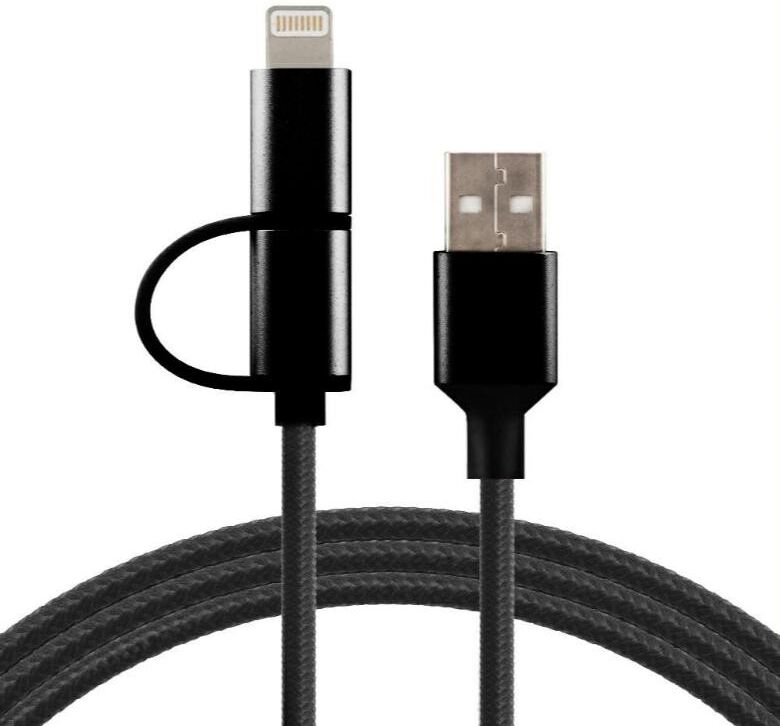
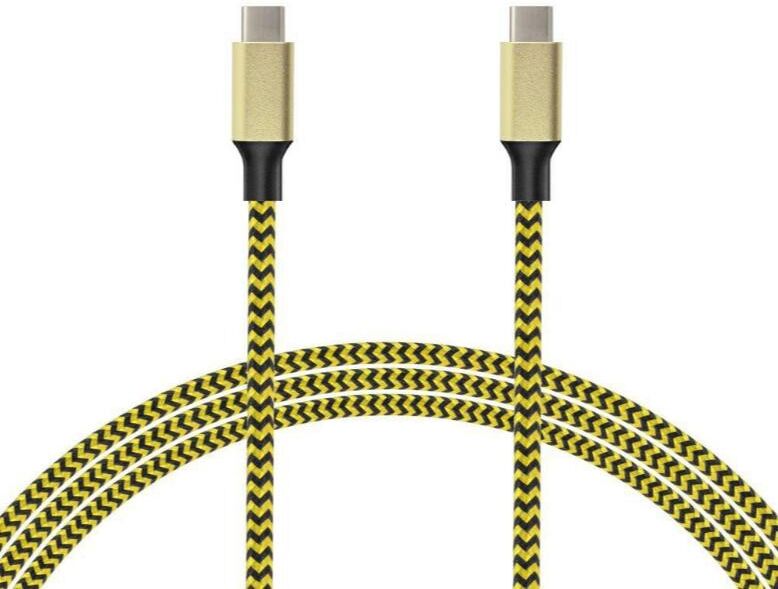
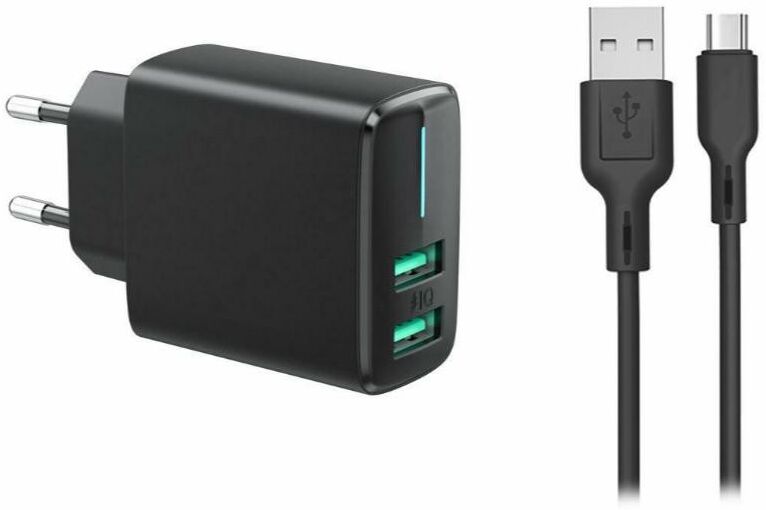
CARCOMMERCE 68715 USB charge cablePlug Type: Slit and Tongue Connector, USB type-A, USB type-C; Voltage [V]: 230; Colour: black; Features: wired; Cable Length [m]: 1; Number of inlets/outlets: 2; Output Voltage [V]: 5; Output current [A]: 2.4/1; Charge Mode: with fast charge; Information Transfer: USB; Gauge: with LED display10,99 £*Shipping: 8,45 £Secure redirect to the provider

-
What is the difference between charge balance and mass balance?
Charge balance refers to the conservation of electric charge in a chemical reaction or system, ensuring that the total positive and negative charges are equal. Mass balance, on the other hand, refers to the conservation of mass, ensuring that the total mass of reactants equals the total mass of products in a chemical reaction. While charge balance focuses on the distribution of charges, mass balance focuses on the distribution of mass in a system. Both concepts are fundamental in understanding and predicting chemical reactions. **
-
How long does a glow plug need to charge?
A glow plug typically needs to charge for about 15-30 seconds before it reaches the optimal temperature for igniting the fuel in a diesel engine. However, the exact time can vary depending on the specific engine and environmental conditions. It's important to follow the manufacturer's recommendations for glow plug charging times to ensure proper engine starting and performance. **
-
Does PayPal charge interest on a negative balance?
Yes, PayPal does charge interest on negative balances. If your PayPal account has a negative balance, you will be charged interest on that amount until the balance is brought back to zero or positive. The interest rate charged on negative balances can vary depending on your account type and location. It is important to promptly address any negative balances to avoid accruing additional interest charges. **
-
How does charge balance work in redox reactions?
In redox reactions, charge balance is maintained by ensuring that the total charge on the reactant side is equal to the total charge on the product side. This is achieved by balancing the number of electrons transferred between the oxidizing and reducing agents. For example, in the reaction 2Fe^3+ + 3Cu → 2Fe + 3Cu^2+, the total charge on the reactant side is 6+ from the Fe^3+ ions and 0 from the Cu, while on the product side it is 0 from the Fe and 6+ from the Cu^2+ ions. This ensures that charge balance is maintained in the redox reaction. **

How can one charge phosphorescent glow-in-the-dark paint?
Phosphorescent glow-in-the-dark paint can be charged by exposing it to a light source. This light source can be natural sunlight or artificial light such as a lamp or flashlight. The paint absorbs the light energy and stores it, which is then slowly released as a glowing effect in the dark. The longer the paint is exposed to the light source, the longer and brighter it will glow in the dark. **
How is charge balance achieved in a redox reaction?
Charge balance in a redox reaction is achieved by ensuring that the total charge on the reactant side is equal to the total charge on the product side. This is done by balancing the number of electrons transferred in the reaction. For example, in a reaction where one species loses electrons (oxidation) and another gains electrons (reduction), the number of electrons lost must equal the number gained in order to maintain charge balance. This ensures that the overall charge of the reactants is equal to the overall charge of the products, maintaining charge balance in the redox reaction. **
Top-Angebote
Products related to Charge:
-
How is the charge balance achieved by charge carriers?
Charge balance is achieved by charge carriers through the movement of positive and negative charges. In a material, when an excess of positive charge carriers (holes) is present, they can move to areas with an excess of negative charge carriers (electrons) to neutralize the charge imbalance. Similarly, when there is an excess of negative charge carriers, they can move to areas with an excess of positive charge carriers to achieve charge balance. This movement of charge carriers helps to maintain overall charge neutrality in a material. **
-
What is a charge balance?
A charge balance refers to the principle that the total positive charge in a system must equal the total negative charge in order to maintain overall neutrality. In other words, the sum of all positive charges (such as protons) must be equal to the sum of all negative charges (such as electrons) within a given system. Charge balance is a fundamental concept in chemistry and physics, as it helps to ensure the stability and equilibrium of a system. **
-
What is the difference between charge balance and mass balance?
Charge balance refers to the conservation of electric charge in a chemical reaction or system, ensuring that the total positive and negative charges are equal. Mass balance, on the other hand, refers to the conservation of mass, ensuring that the total mass of reactants equals the total mass of products in a chemical reaction. While charge balance focuses on the distribution of charges, mass balance focuses on the distribution of mass in a system. Both concepts are fundamental in understanding and predicting chemical reactions. **
-
How long does a glow plug need to charge?
A glow plug typically needs to charge for about 15-30 seconds before it reaches the optimal temperature for igniting the fuel in a diesel engine. However, the exact time can vary depending on the specific engine and environmental conditions. It's important to follow the manufacturer's recommendations for glow plug charging times to ensure proper engine starting and performance. **
Similar search terms for Charge
-
CARCOMMERCE 68715 USB charge cablePlug Type: Slit and Tongue Connector, USB type-A, USB type-C; Voltage [V]: 230; Colour: black; Features: wired; Cable Length [m]: 1; Number of inlets/outlets: 2; Output Voltage [V]: 5; Output current [A]: 2.4/1; Charge Mode: with fast charge; Information Transfer: USB; Gauge: with LED display10,99 £*Shipping: 8,45 £Secure redirect to the provider
-
Does PayPal charge interest on a negative balance?
Yes, PayPal does charge interest on negative balances. If your PayPal account has a negative balance, you will be charged interest on that amount until the balance is brought back to zero or positive. The interest rate charged on negative balances can vary depending on your account type and location. It is important to promptly address any negative balances to avoid accruing additional interest charges. **
-
How does charge balance work in redox reactions?
In redox reactions, charge balance is maintained by ensuring that the total charge on the reactant side is equal to the total charge on the product side. This is achieved by balancing the number of electrons transferred between the oxidizing and reducing agents. For example, in the reaction 2Fe^3+ + 3Cu → 2Fe + 3Cu^2+, the total charge on the reactant side is 6+ from the Fe^3+ ions and 0 from the Cu, while on the product side it is 0 from the Fe and 6+ from the Cu^2+ ions. This ensures that charge balance is maintained in the redox reaction. **
-
How can one charge phosphorescent glow-in-the-dark paint?
Phosphorescent glow-in-the-dark paint can be charged by exposing it to a light source. This light source can be natural sunlight or artificial light such as a lamp or flashlight. The paint absorbs the light energy and stores it, which is then slowly released as a glowing effect in the dark. The longer the paint is exposed to the light source, the longer and brighter it will glow in the dark. **
-
How is charge balance achieved in a redox reaction?
Charge balance in a redox reaction is achieved by ensuring that the total charge on the reactant side is equal to the total charge on the product side. This is done by balancing the number of electrons transferred in the reaction. For example, in a reaction where one species loses electrons (oxidation) and another gains electrons (reduction), the number of electrons lost must equal the number gained in order to maintain charge balance. This ensures that the overall charge of the reactants is equal to the overall charge of the products, maintaining charge balance in the redox reaction. **
* All prices are inclusive of VAT and, if applicable, plus shipping costs. The offer information is based on the details provided by the respective shop and is updated through automated processes. Real-time updates do not occur, so deviations can occur in individual cases. ** Note: Parts of this content were created by AI.