Buy bpositive.eu ?
We are moving the project
bpositive.eu .
Are you interested in purchasing the domain
bpositive.eu ?
domain@kv-gmbh.de · 0541-91531010
Buy bpositive.eu ?
Why does burning charcoal glow when blown on?
Burning charcoal glows when blown on because the increased flow of oxygen from blowing on it helps to accelerate the combustion process. This causes the temperature of the burning charcoal to rise, which in turn causes it to emit more light. The glowing effect is a result of the incandescence of the charcoal particles as they reach high temperatures and emit visible light. **
Why does burning charcoal glow when you blow on it?
When you blow on burning charcoal, you are increasing the amount of oxygen available to the fire. This causes the combustion process to accelerate, leading to a higher temperature and more intense burning. The increased heat causes the charcoal to emit more light, making it appear to glow. This phenomenon is known as incandescence, where the high temperature of the burning charcoal causes it to emit visible light. **

Similar search terms for Arthouse-Leland-Charcoal-Woven
Top-Angebote
Products related to Arthouse-Leland-Charcoal-Woven:
-
Arthouse Evonne Charcoal Marble Patina WallpaperRichly veined and meticulously detailed, this wallpaper perfectly captures the look of smokey marble. Its taupe base features rich swirls of dark grey and subtle touches of metallic gold overlaid with dense white veining.35,49 $*Shipping: 0,00 $Secure redirect to the provider


-
What filters best, ash, charcoal, or activated charcoal?
Activated charcoal is the best filter among the three options. It has a larger surface area and more porous structure, allowing it to effectively trap and remove impurities from air and water. Ash and regular charcoal may also have some filtering properties, but they are not as effective as activated charcoal. Therefore, when it comes to filtering, activated charcoal is the superior choice. **
-
How are fabrics woven?
Fabrics are woven by interlacing two sets of yarns, the warp and the weft, on a loom. The warp yarns are stretched lengthwise on the loom, while the weft yarns are woven across the warp yarns. The process involves raising and lowering the warp yarns to create an opening, through which the weft yarn is passed. This interlacing of warp and weft yarns creates the fabric structure. Different weaving techniques, such as plain weave, twill weave, and satin weave, can produce a variety of fabric textures and patterns. **
-
Who produces charcoal?
Charcoal is typically produced by burning wood in a low-oxygen environment, a process known as pyrolysis. This can be done on a small scale by individuals for personal use or on a larger scale by commercial operations. Charcoal is also produced as a byproduct of other industries, such as the production of steel or sugar. **
-
Is charcoal dangerous?
Charcoal itself is not inherently dangerous, but it can pose risks if not used properly. When burned, charcoal produces carbon monoxide, a colorless, odorless gas that can be harmful or even deadly if inhaled in high concentrations. Therefore, it is important to always use charcoal in a well-ventilated area to prevent the buildup of carbon monoxide. Additionally, ingesting charcoal can be dangerous and should be avoided. Overall, when used safely and responsibly, charcoal can be a useful and effective fuel source for cooking and heating. **


Is it possible to use charcoal instead of activated charcoal?
While charcoal and activated charcoal may look similar, they are not the same. Activated charcoal has been specially treated to increase its surface area and make it more porous, which enhances its ability to adsorb toxins and impurities. Regular charcoal, on the other hand, may not have the same adsorption capabilities. Therefore, it is not recommended to use regular charcoal as a substitute for activated charcoal in medical or purification applications. **
Can you eat charcoal?
While charcoal is not meant to be consumed, there are certain types of activated charcoal that are safe for consumption in small amounts. Activated charcoal is sometimes used in emergency situations to treat certain types of poisoning or overdose. However, it is important to note that consuming charcoal regularly or in large amounts can be harmful and interfere with the absorption of nutrients in the body. It is always best to consult with a healthcare professional before consuming charcoal for any purpose. **
Top-Angebote
Products related to Arthouse-Leland-Charcoal-Woven:
-
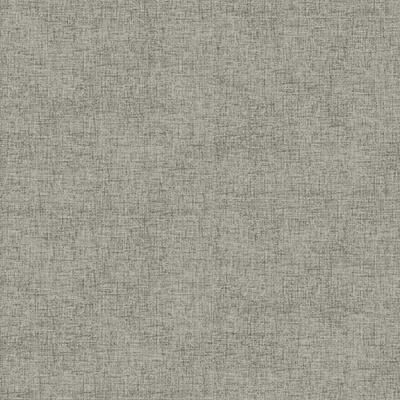
Arthouse Leland Charcoal Woven WallpaperDeeply detailed textured design yet the wallpaper is smooth for a modern finish. A deep charcoal colour-way helps create a moody yet neutral hideaway. The detail of this wallpaper design mimics the texture of wool fabrics.25,99 $*Shipping: 0,00 $Secure redirect to the provider
-
Arthouse Hank Charcoal Stag WallpaperThis deer wallpaper offers an elevated take on lodge stylings. Intricate illustrations of bucks are offset against a backdrop enriched with woven fabric detailing, seen here in metallic copper against rich black.25,49 $*Shipping: 0,00 $Secure redirect to the provider
-
Arthouse Evonne Charcoal Marble Patina WallpaperRichly veined and meticulously detailed, this wallpaper perfectly captures the look of smokey marble. Its taupe base features rich swirls of dark grey and subtle touches of metallic gold overlaid with dense white veining.35,49 $*Shipping: 0,00 $Secure redirect to the provider
-
Why does burning charcoal glow when blown on?
Burning charcoal glows when blown on because the increased flow of oxygen from blowing on it helps to accelerate the combustion process. This causes the temperature of the burning charcoal to rise, which in turn causes it to emit more light. The glowing effect is a result of the incandescence of the charcoal particles as they reach high temperatures and emit visible light. **
-
Why does burning charcoal glow when you blow on it?
When you blow on burning charcoal, you are increasing the amount of oxygen available to the fire. This causes the combustion process to accelerate, leading to a higher temperature and more intense burning. The increased heat causes the charcoal to emit more light, making it appear to glow. This phenomenon is known as incandescence, where the high temperature of the burning charcoal causes it to emit visible light. **
-
What filters best, ash, charcoal, or activated charcoal?
Activated charcoal is the best filter among the three options. It has a larger surface area and more porous structure, allowing it to effectively trap and remove impurities from air and water. Ash and regular charcoal may also have some filtering properties, but they are not as effective as activated charcoal. Therefore, when it comes to filtering, activated charcoal is the superior choice. **
-
How are fabrics woven?
Fabrics are woven by interlacing two sets of yarns, the warp and the weft, on a loom. The warp yarns are stretched lengthwise on the loom, while the weft yarns are woven across the warp yarns. The process involves raising and lowering the warp yarns to create an opening, through which the weft yarn is passed. This interlacing of warp and weft yarns creates the fabric structure. Different weaving techniques, such as plain weave, twill weave, and satin weave, can produce a variety of fabric textures and patterns. **
Similar search terms for Arthouse-Leland-Charcoal-Woven
-
Who produces charcoal?
Charcoal is typically produced by burning wood in a low-oxygen environment, a process known as pyrolysis. This can be done on a small scale by individuals for personal use or on a larger scale by commercial operations. Charcoal is also produced as a byproduct of other industries, such as the production of steel or sugar. **
-
Is charcoal dangerous?
Charcoal itself is not inherently dangerous, but it can pose risks if not used properly. When burned, charcoal produces carbon monoxide, a colorless, odorless gas that can be harmful or even deadly if inhaled in high concentrations. Therefore, it is important to always use charcoal in a well-ventilated area to prevent the buildup of carbon monoxide. Additionally, ingesting charcoal can be dangerous and should be avoided. Overall, when used safely and responsibly, charcoal can be a useful and effective fuel source for cooking and heating. **
-
Is it possible to use charcoal instead of activated charcoal?
While charcoal and activated charcoal may look similar, they are not the same. Activated charcoal has been specially treated to increase its surface area and make it more porous, which enhances its ability to adsorb toxins and impurities. Regular charcoal, on the other hand, may not have the same adsorption capabilities. Therefore, it is not recommended to use regular charcoal as a substitute for activated charcoal in medical or purification applications. **
-
Can you eat charcoal?
While charcoal is not meant to be consumed, there are certain types of activated charcoal that are safe for consumption in small amounts. Activated charcoal is sometimes used in emergency situations to treat certain types of poisoning or overdose. However, it is important to note that consuming charcoal regularly or in large amounts can be harmful and interfere with the absorption of nutrients in the body. It is always best to consult with a healthcare professional before consuming charcoal for any purpose. **
* All prices are inclusive of VAT and, if applicable, plus shipping costs. The offer information is based on the details provided by the respective shop and is updated through automated processes. Real-time updates do not occur, so deviations can occur in individual cases. ** Note: Parts of this content were created by AI.