Buy bpositive.eu ?
We are moving the project
bpositive.eu .
Are you interested in purchasing the domain
bpositive.eu ?
domain@kv-gmbh.de · 0541-91531010
Buy bpositive.eu ?
How does the German unification in the 19th century differ from the Italian unification?
The German unification in the 19th century was primarily driven by the leadership of Prussia under Otto von Bismarck, who used a combination of diplomacy and warfare to unify the German states. In contrast, the Italian unification was led by several key figures such as Giuseppe Garibaldi and Count Camillo di Cavour, and involved a series of military campaigns and uprisings to unify the Italian states. Additionally, the German unification resulted in the creation of a powerful, centralized German Empire, while the Italian unification led to the establishment of a constitutional monarchy under King Victor Emmanuel II. **
Have the Wars of Unification changed nationalism?
Yes, the Wars of Unification have changed nationalism by promoting a sense of unity and pride among the people of the newly unified nations. These wars helped to solidify the idea of a shared national identity and common goals, leading to a stronger sense of nationalism. Additionally, the victories in these wars often fueled a sense of superiority and exceptionalism among the citizens of the unified nations. Overall, the Wars of Unification played a significant role in shaping and strengthening nationalist sentiments in the countries involved. **


Similar search terms for Unification
Top-Angebote
Products related to Unification:
-
Inspired Finds Glow & Renew Turmeric Brightening Soap For Underarms, Legs & Face Glow & Renew Turmeric Brightening Soap For Underarms, Legs & FaceReveal Radiance with Every Wash Step into a new level of skin confidence with our Glow & Renew Turmeric Brightening Soap a gentle yet powerful way to reclaim your natural glow. Handcrafted with care, this skinloving bar is ideal for anyone looking...41,99 $*Shipping: 0,00 $Secure redirect to the provider
-
Balance Me Glow + Repair AHA Glow Mask 50mlDelivering triple-action chemical exfoliation, the brilliant Glow Mask effectively restores skin radiance. With a blend of fruit acids, including glycolic, malic and lactic acids, this brightening face mask deeply purifies and plumps skin, revealing a more youthful, luminous complexion in less than 15 minutes. Boasting kaolin clay, this glow-boosting face mask draws out impurities and preserves skin’s natural moisture barrier, locking-in hydration and combating potential irritants. Suitable for all skin types and life stages; particularly suited to dull and blemish-prone skin. Ingredients Aqua (Water), Kaolin, Glycerin, Cetearyl Alcohol, Caprylic/Capric Triglyceride, Prunus Amygdalus Dulcis (Sweet Almond) Oil, Glyceryl Stearate, Citric Acid, Glycolic Acid, Lactic Acid, Cetearyl Glucoside, Malic Acid, Tartaric Acid, Pyrus Malus (Apple) Fruit Extract, Vaccinium Myrtillus Fruit Extract, Vitis Vinifera (Grape) Fruit Extract, Citrus Medica (Lemon) Fruit Juice Extract, Saccharum Officinarum (Sugar Cane) Extract, Angelica Archangelica (Angelica) Leaf Oil, Pelargonium Roseum (Rose Geranium) Leaf Oil, Tilia Cordata (Linden) Oil, Lavandula Angustifolia (Lavender) Flower Oil, Anthemis Nobilis (Roman Chamomile) Flower Oil, Cananga Odorata (Ylang Ylang) Flower Oil, Mentha Viridis (Spearmint) Leaf Oil, Eucalyptus Globulus (Eucalyptus) Leaf Oil, Aloe Barbadensis (Aloe Vera) Leaf Juice Powder, Silica, Chondrus Crispus (Carrageenan) Powder, Tocopherol (Vitamin E), Sodium Stearoyl Lactylate, Sodium Hydroxide, Dehydroacetic Acid, Benzyl Alcohol, Linalool, Limonene, Geraniol, Benzyl Benzoate25,00 £*Shipping: 2,95 £Secure redirect to the provider
-
Bperfect Perfection Primer - Illuminating for a Radiant Glow 35mL Everyday GlowA facial cream. Unveil a radiant masterpiece with Perfection Primer - Illuminating. Infused with Camellia oil and vitamins A and E, this primer bestows a flawless matte finish while nurturing your skin. Transform into a masterpiece with Perfection Primer - Illuminating. Infused with Camellia oil for nourishment.12,75 £*Shipping: 4,17 £Secure redirect to the provider
-
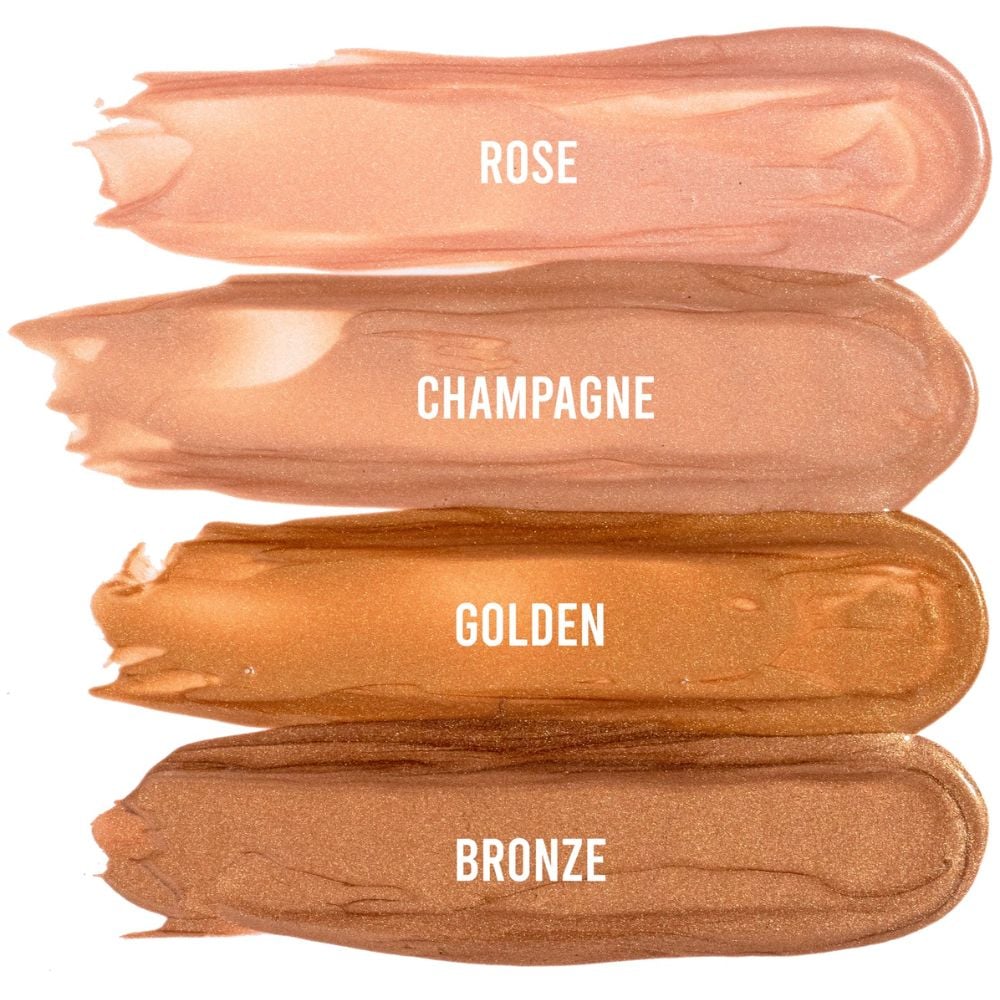
Uplift Essentials 3 in 1 Cream Blush & Radiant Lip Glow Stick bronze GlowSimplify your beauty ritual with a highperformance, multitasking essential that brings a natural, monochromatic glow to your entire face. This 3in1 blush stick is the ultimate solution for the modern individual who wants to brighten their facial...55,97 $*Shipping: 0,00 $Secure redirect to the provider



-
Did the Wars of Unification change nationalism?
Yes, the Wars of Unification played a significant role in changing nationalism. These wars, such as the Italian and German unifications in the 19th century, helped to strengthen national identities and create unified nations. The victories in these wars fueled a sense of national pride and solidarity among the people, leading to a stronger sense of nationalism. Additionally, the successful unifications demonstrated the power of nationalism as a unifying force in achieving political goals. **
-
Was European unification a financial gain for Germany?
European unification has been a financial gain for Germany in many ways. As the largest and most powerful economy in the European Union, Germany has benefited from increased trade and investment opportunities within the EU. The single currency, the Euro, has also made it easier for German businesses to conduct transactions with other European countries. Additionally, EU funding and subsidies have supported infrastructure and development projects in Germany. However, it is important to note that European unification has also brought about financial responsibilities for Germany, such as contributing to the EU budget and providing financial assistance to struggling member states. Overall, while there have been costs associated with European unification, the economic benefits for Germany have been significant. **
-
What happened during the German unification in 1871?
During the German unification in 1871, the various independent German states were brought together under the leadership of Prussia. This unification was achieved through a series of wars and diplomatic negotiations, culminating in the proclamation of the German Empire at the Palace of Versailles. Otto von Bismarck, the Chancellor of Prussia, played a key role in orchestrating the unification process. The new German Empire was headed by the King of Prussia, who became the Emperor of Germany, and it marked a significant shift in the balance of power in Europe. **
-
What were the consequences of the German unification?
The consequences of German unification were both positive and negative. On the positive side, it led to the creation of a powerful and economically strong nation in the heart of Europe. It also brought about a sense of national identity and pride among the German people. However, the unification also led to tensions with neighboring countries, particularly France, and raised concerns about the balance of power in Europe. Additionally, the process of unification resulted in economic and social challenges, as the former East Germany struggled to catch up with the more prosperous West. **


Is the Unification Church a cult or not?
The classification of the Unification Church as a cult is a matter of debate and controversy. Some critics and former members have labeled it as a cult due to its unconventional beliefs, strict hierarchical structure, and the charismatic leadership of its founder, Sun Myung Moon. However, the Unification Church itself rejects the label of cult and instead considers itself a legitimate religious movement. Ultimately, whether the Unification Church is considered a cult or not depends on one's perspective and interpretation of its teachings and practices. **
What is the definition of the Wars of Unification?
The Wars of Unification refer to a series of conflicts and military campaigns that took place in the 19th century with the goal of unifying separate states or regions into a single nation. These wars typically involved a dominant power seeking to bring together smaller states or territories under its control through conquest or diplomacy. Examples of Wars of Unification include the unification of Italy led by figures like Giuseppe Garibaldi and Count Cavour, as well as the unification of Germany under the leadership of Otto von Bismarck. **
Top-Angebote
Products related to Unification:
-
Good Directions "20"" Tranquil Harmony Bird Bath Basin"Introduce tranquility to your avian companions with this exquisite copper basin. Crafted with the utmost care, the inner surface of this birdbath features delicate hand-punched, beaded embellishments, gracefully adorning the dark brass, rubbed...107,89 $*Shipping: 0,00 $Secure redirect to the provider
-
Inspired Finds Glow & Renew Turmeric Brightening Soap For Underarms, Legs & Face Glow & Renew Turmeric Brightening Soap For Underarms, Legs & FaceReveal Radiance with Every Wash Step into a new level of skin confidence with our Glow & Renew Turmeric Brightening Soap a gentle yet powerful way to reclaim your natural glow. Handcrafted with care, this skinloving bar is ideal for anyone looking...41,99 $*Shipping: 0,00 $Secure redirect to the provider
-
Balance Me Glow + Repair AHA Glow Mask 50mlDelivering triple-action chemical exfoliation, the brilliant Glow Mask effectively restores skin radiance. With a blend of fruit acids, including glycolic, malic and lactic acids, this brightening face mask deeply purifies and plumps skin, revealing a more youthful, luminous complexion in less than 15 minutes. Boasting kaolin clay, this glow-boosting face mask draws out impurities and preserves skin’s natural moisture barrier, locking-in hydration and combating potential irritants. Suitable for all skin types and life stages; particularly suited to dull and blemish-prone skin. Ingredients Aqua (Water), Kaolin, Glycerin, Cetearyl Alcohol, Caprylic/Capric Triglyceride, Prunus Amygdalus Dulcis (Sweet Almond) Oil, Glyceryl Stearate, Citric Acid, Glycolic Acid, Lactic Acid, Cetearyl Glucoside, Malic Acid, Tartaric Acid, Pyrus Malus (Apple) Fruit Extract, Vaccinium Myrtillus Fruit Extract, Vitis Vinifera (Grape) Fruit Extract, Citrus Medica (Lemon) Fruit Juice Extract, Saccharum Officinarum (Sugar Cane) Extract, Angelica Archangelica (Angelica) Leaf Oil, Pelargonium Roseum (Rose Geranium) Leaf Oil, Tilia Cordata (Linden) Oil, Lavandula Angustifolia (Lavender) Flower Oil, Anthemis Nobilis (Roman Chamomile) Flower Oil, Cananga Odorata (Ylang Ylang) Flower Oil, Mentha Viridis (Spearmint) Leaf Oil, Eucalyptus Globulus (Eucalyptus) Leaf Oil, Aloe Barbadensis (Aloe Vera) Leaf Juice Powder, Silica, Chondrus Crispus (Carrageenan) Powder, Tocopherol (Vitamin E), Sodium Stearoyl Lactylate, Sodium Hydroxide, Dehydroacetic Acid, Benzyl Alcohol, Linalool, Limonene, Geraniol, Benzyl Benzoate25,00 £*Shipping: 2,95 £Secure redirect to the provider
-
How does the German unification in the 19th century differ from the Italian unification?
The German unification in the 19th century was primarily driven by the leadership of Prussia under Otto von Bismarck, who used a combination of diplomacy and warfare to unify the German states. In contrast, the Italian unification was led by several key figures such as Giuseppe Garibaldi and Count Camillo di Cavour, and involved a series of military campaigns and uprisings to unify the Italian states. Additionally, the German unification resulted in the creation of a powerful, centralized German Empire, while the Italian unification led to the establishment of a constitutional monarchy under King Victor Emmanuel II. **
-
Have the Wars of Unification changed nationalism?
Yes, the Wars of Unification have changed nationalism by promoting a sense of unity and pride among the people of the newly unified nations. These wars helped to solidify the idea of a shared national identity and common goals, leading to a stronger sense of nationalism. Additionally, the victories in these wars often fueled a sense of superiority and exceptionalism among the citizens of the unified nations. Overall, the Wars of Unification played a significant role in shaping and strengthening nationalist sentiments in the countries involved. **
-
Did the Wars of Unification change nationalism?
Yes, the Wars of Unification played a significant role in changing nationalism. These wars, such as the Italian and German unifications in the 19th century, helped to strengthen national identities and create unified nations. The victories in these wars fueled a sense of national pride and solidarity among the people, leading to a stronger sense of nationalism. Additionally, the successful unifications demonstrated the power of nationalism as a unifying force in achieving political goals. **
-
Was European unification a financial gain for Germany?
European unification has been a financial gain for Germany in many ways. As the largest and most powerful economy in the European Union, Germany has benefited from increased trade and investment opportunities within the EU. The single currency, the Euro, has also made it easier for German businesses to conduct transactions with other European countries. Additionally, EU funding and subsidies have supported infrastructure and development projects in Germany. However, it is important to note that European unification has also brought about financial responsibilities for Germany, such as contributing to the EU budget and providing financial assistance to struggling member states. Overall, while there have been costs associated with European unification, the economic benefits for Germany have been significant. **
Similar search terms for Unification
-
Bperfect Perfection Primer - Illuminating for a Radiant Glow 35mL Everyday GlowA facial cream. Unveil a radiant masterpiece with Perfection Primer - Illuminating. Infused with Camellia oil and vitamins A and E, this primer bestows a flawless matte finish while nurturing your skin. Transform into a masterpiece with Perfection Primer - Illuminating. Infused with Camellia oil for nourishment.12,75 £*Shipping: 4,17 £Secure redirect to the provider
-
Uplift Essentials 3 in 1 Cream Blush & Radiant Lip Glow Stick bronze GlowSimplify your beauty ritual with a highperformance, multitasking essential that brings a natural, monochromatic glow to your entire face. This 3in1 blush stick is the ultimate solution for the modern individual who wants to brighten their facial...55,97 $*Shipping: 0,00 $Secure redirect to the provider
-
Inspired Finds Radiant Glow Niacinamide & Arbutin Brightening Bar Deep Cleansing Face & Body Soap Radiant Glow Niacinamide & Arbutin Brightening Bar Deep Cleansing Face & Body SoapRediscover your skins natural luminosity with a gentle, effective bar that works both on face and body. This soap is crafted for those who crave a brightening cleanser designed to visibly even tone and clear away impurities from start to finish....34,99 $*Shipping: 0,00 $Secure redirect to the provider
-
Uplift Picks Radiant 90 LED Solar Garden Lights With Eight Starburst Glow Modes Radiant 90 LED Solar Garden Lights With Eight Starburst Glow ModesTurn your outdoor space into an enchanting display that shines after sunset. These solar flower lights feature 90 LEDs arranged on flexible branches for a customizable starburst effect. Designed for gardeners, hosts, and creative decorators, they...62,48 $*Shipping: 0,00 $Secure redirect to the provider
-
What happened during the German unification in 1871?
During the German unification in 1871, the various independent German states were brought together under the leadership of Prussia. This unification was achieved through a series of wars and diplomatic negotiations, culminating in the proclamation of the German Empire at the Palace of Versailles. Otto von Bismarck, the Chancellor of Prussia, played a key role in orchestrating the unification process. The new German Empire was headed by the King of Prussia, who became the Emperor of Germany, and it marked a significant shift in the balance of power in Europe. **
-
What were the consequences of the German unification?
The consequences of German unification were both positive and negative. On the positive side, it led to the creation of a powerful and economically strong nation in the heart of Europe. It also brought about a sense of national identity and pride among the German people. However, the unification also led to tensions with neighboring countries, particularly France, and raised concerns about the balance of power in Europe. Additionally, the process of unification resulted in economic and social challenges, as the former East Germany struggled to catch up with the more prosperous West. **
-
Is the Unification Church a cult or not?
The classification of the Unification Church as a cult is a matter of debate and controversy. Some critics and former members have labeled it as a cult due to its unconventional beliefs, strict hierarchical structure, and the charismatic leadership of its founder, Sun Myung Moon. However, the Unification Church itself rejects the label of cult and instead considers itself a legitimate religious movement. Ultimately, whether the Unification Church is considered a cult or not depends on one's perspective and interpretation of its teachings and practices. **
-
What is the definition of the Wars of Unification?
The Wars of Unification refer to a series of conflicts and military campaigns that took place in the 19th century with the goal of unifying separate states or regions into a single nation. These wars typically involved a dominant power seeking to bring together smaller states or territories under its control through conquest or diplomacy. Examples of Wars of Unification include the unification of Italy led by figures like Giuseppe Garibaldi and Count Cavour, as well as the unification of Germany under the leadership of Otto von Bismarck. **
* All prices are inclusive of VAT and, if applicable, plus shipping costs. The offer information is based on the details provided by the respective shop and is updated through automated processes. Real-time updates do not occur, so deviations can occur in individual cases. ** Note: Parts of this content were created by AI.