Buy bpositive.eu ?
We are moving the project
bpositive.eu .
Are you interested in purchasing the domain
bpositive.eu ?
domain@kv-gmbh.de · 0541-91531010
Buy bpositive.eu ?
How can one change their self-concept?
One can change their self-concept by actively challenging and changing their negative beliefs about themselves. This can be done through self-reflection, seeking therapy or counseling, and practicing self-compassion and self-acceptance. Engaging in activities that promote personal growth and self-improvement, such as learning new skills or pursuing hobbies, can also help in changing one's self-concept. Surrounding oneself with supportive and positive people who uplift and encourage them can also contribute to a more positive self-concept. **
What is meant by self-concept in the workplace?
Self-concept in the workplace refers to how individuals perceive themselves in relation to their job, colleagues, and overall work environment. It includes their beliefs, values, skills, and attitudes that shape their identity and behavior at work. A positive self-concept can lead to higher job satisfaction, motivation, and performance, while a negative self-concept may result in lower confidence, job dissatisfaction, and decreased productivity. Developing a strong self-concept in the workplace involves self-awareness, self-acceptance, and continuous self-improvement. **

Similar search terms for Self-concept
Top-Angebote
Products related to Self-concept:



-
What is the self-concept in the psychology of Carl Rogers?
In the psychology of Carl Rogers, the self-concept is a central concept that refers to the individual's perception and understanding of themselves. It includes the beliefs, attitudes, and values that a person holds about themselves, as well as their understanding of their abilities, characteristics, and potential. Rogers believed that the self-concept is formed through interactions with others and is influenced by the feedback and experiences that individuals receive from their social environment. He also emphasized the importance of congruence between the self-concept and the actual experiences and feelings of the individual, as well as the role of unconditional positive regard in fostering a healthy and positive self-concept. **
-
What is the difference between a professional self-concept and professional principles?
A professional self-concept refers to how an individual perceives themselves in their professional role, including their skills, abilities, values, and beliefs about their work. It is a reflection of one's identity and understanding of their role in the workplace. On the other hand, professional principles are the ethical guidelines and standards that govern a person's behavior and decision-making in their professional life. These principles guide individuals in their interactions with colleagues, clients, and the broader community, ensuring that they act with integrity and uphold professional standards. In essence, while a professional self-concept is about one's self-perception in the workplace, professional principles are the moral compass that guides one's actions and decisions. **
-
Can you explain Jean-Paul Sartre's concept of the self as a self-design and depict it in a comic?
Jean-Paul Sartre's concept of the self as a self-design emphasizes the idea that individuals have the freedom to create their own identity through their choices and actions. This means that we are not predetermined by any external factors or essence, but rather we define ourselves through our own decisions. In a comic, this concept could be depicted by showing a character faced with various choices and dilemmas, ultimately shaping their own identity through the paths they choose to take. The character could be shown breaking free from societal expectations and norms, embracing their autonomy and creating their own unique self. **
-
Does every daycare center have a self-operated business with an open concept, and what does self-operated business mean?
Not every daycare center has a self-operated business with an open concept. A self-operated business means that the daycare center is managed and run by its own staff and does not rely on external management or ownership. An open concept refers to a layout that has minimal walls and barriers, creating a more open and collaborative environment. While some daycare centers may have a self-operated business with an open concept, it is not a universal feature of all daycare centers. **


How do I find a balance between self-hatred and self-acceptance?
Finding a balance between self-hatred and self-acceptance involves practicing self-compassion and self-awareness. It's important to acknowledge and challenge negative thoughts and beliefs about yourself, while also recognizing your strengths and positive qualities. Engaging in activities that promote self-care and self-love, such as mindfulness, therapy, or journaling, can help cultivate a more positive self-image. Remember that self-acceptance is a journey, and it's okay to seek support from loved ones or professionals along the way. **
What is Markus Gabriel's mind-brain problem and Thomas Metzinger's concept of the self as a simulation?
Markus Gabriel's mind-brain problem is the idea that the mind and the brain are not identical, and that mental states cannot be reduced to physical states of the brain. He argues that the mind is not a product of the brain, but rather a product of our existence as conscious beings. Thomas Metzinger's concept of the self as a simulation suggests that the self is not a fixed entity, but rather a constantly updated and dynamic model of the world and the body. According to Metzinger, the self is a process of ongoing self-modeling, and is not a stable, unchanging entity. **
Top-Angebote
Products related to Self-concept:
-
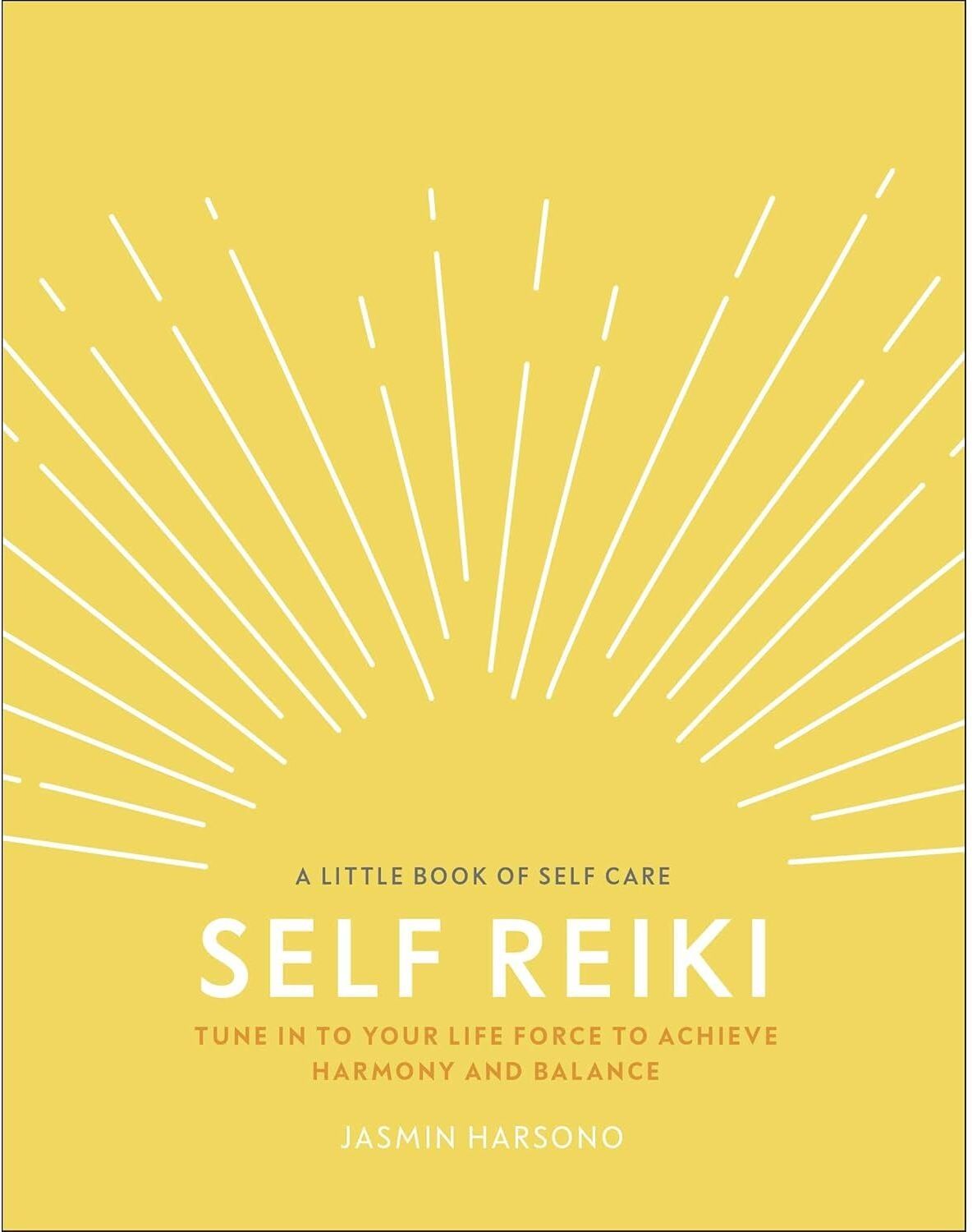
DK Self Reiki: Tune in to Your Life Force to Achieve Harmony and Balance by Jasmin HarsonoHarness the power of your own hands and make Reiki an indispensable part of your everyday self-care routine with this step-by-step guide to harmonising and healing. Heard of the term but don't know where to begin? No worries, DK has got you covered! A Reiki session produces a feeling of radiance and a sense of calm, peace, security and harmony of body and mind. It can also help to alleviate pain and treat stress and anxiety. The practice of Reiki is intuitive and involves tuning into internal energy by laying your hands on or close to targeted areas of the body to identify blockages, and using placement and pressure to encourage a healthy flow of life energy. Sound like something that can benefit you? Then this may be the book for you! This little self-care book will take you on a breathtaking journey of holistic healing, featuring: -A down-to-earth guide of over 40 step-by-step Reiki techniques to use at home -Detailed information written by a reliable expert in the field -Features practices, routines and exercised accompanied by easy-to-follow visual illustrations Dive deep into the pages of this brilliant massage book to explore meditation, mantra, visualisation, breathwork and more, all within a hands-on healing guide. Discover how to reset your anatomical pain maps, and connect to the universal energy that flows within your true self, all from the comfort and safety of your own home! Did you know that Reiki has been the subject of a number of scientific studies that have found evidence in support of Reiki as an effective self-therapy for reducing pain and anxiety. Fans of Reiki even include Cameron Diaz, Gwyneth Paltrow and Angelina Jolie! It's no secret that self-care is a vital tool for navigating the challenges of modern living. In a society where stress and anxiety mounts and self-esteem takes a dive, it can be challenging to know where to begin. Don't worry, DK has got you covered! Whether you're experiencing stress and anxiety in your work or personal life and you're seeking a wider range of self-care practices, or you wish to widen your knowledge and experience on healing techniques through meditation and mantras, this wonderful well-being book has something for everyone to discover. A must-have volume for those seeking to explore a wider range of self-care practices, whether you're interested in wellness trends and are open to trying new therapies, or you are experiencing painful muscles and joints and wish to remedy this via self-therapy. It's time to wake up to the true power of Reiki and enhance the quality of your life for the better.4,99 £*Shipping: 1,99 £Secure redirect to the provider
-
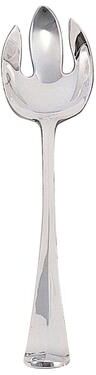
Elegance Heim Concept Sugar TongsThese tongs are constructed with stainless steel and features a beautiful silver-plated finish.Serve afternoon tea with this sugar tongs by Heim Concept Silver to match the Heim Concept of the tradition of serving tea.22,41 $*Shipping: 0,00 $Secure redirect to the provider
-
How can one change their self-concept?
One can change their self-concept by actively challenging and changing their negative beliefs about themselves. This can be done through self-reflection, seeking therapy or counseling, and practicing self-compassion and self-acceptance. Engaging in activities that promote personal growth and self-improvement, such as learning new skills or pursuing hobbies, can also help in changing one's self-concept. Surrounding oneself with supportive and positive people who uplift and encourage them can also contribute to a more positive self-concept. **
-
What is meant by self-concept in the workplace?
Self-concept in the workplace refers to how individuals perceive themselves in relation to their job, colleagues, and overall work environment. It includes their beliefs, values, skills, and attitudes that shape their identity and behavior at work. A positive self-concept can lead to higher job satisfaction, motivation, and performance, while a negative self-concept may result in lower confidence, job dissatisfaction, and decreased productivity. Developing a strong self-concept in the workplace involves self-awareness, self-acceptance, and continuous self-improvement. **
-
What is the self-concept in the psychology of Carl Rogers?
In the psychology of Carl Rogers, the self-concept is a central concept that refers to the individual's perception and understanding of themselves. It includes the beliefs, attitudes, and values that a person holds about themselves, as well as their understanding of their abilities, characteristics, and potential. Rogers believed that the self-concept is formed through interactions with others and is influenced by the feedback and experiences that individuals receive from their social environment. He also emphasized the importance of congruence between the self-concept and the actual experiences and feelings of the individual, as well as the role of unconditional positive regard in fostering a healthy and positive self-concept. **
-
What is the difference between a professional self-concept and professional principles?
A professional self-concept refers to how an individual perceives themselves in their professional role, including their skills, abilities, values, and beliefs about their work. It is a reflection of one's identity and understanding of their role in the workplace. On the other hand, professional principles are the ethical guidelines and standards that govern a person's behavior and decision-making in their professional life. These principles guide individuals in their interactions with colleagues, clients, and the broader community, ensuring that they act with integrity and uphold professional standards. In essence, while a professional self-concept is about one's self-perception in the workplace, professional principles are the moral compass that guides one's actions and decisions. **
Similar search terms for Self-concept
-
Good Directions "20"" Tranquil Harmony Bird Bath Basin"Introduce tranquility to your avian companions with this exquisite copper basin. Crafted with the utmost care, the inner surface of this birdbath features delicate hand-punched, beaded embellishments, gracefully adorning the dark brass, rubbed...107,89 $*Shipping: 0,00 $Secure redirect to the provider
-
Can you explain Jean-Paul Sartre's concept of the self as a self-design and depict it in a comic?
Jean-Paul Sartre's concept of the self as a self-design emphasizes the idea that individuals have the freedom to create their own identity through their choices and actions. This means that we are not predetermined by any external factors or essence, but rather we define ourselves through our own decisions. In a comic, this concept could be depicted by showing a character faced with various choices and dilemmas, ultimately shaping their own identity through the paths they choose to take. The character could be shown breaking free from societal expectations and norms, embracing their autonomy and creating their own unique self. **
-
Does every daycare center have a self-operated business with an open concept, and what does self-operated business mean?
Not every daycare center has a self-operated business with an open concept. A self-operated business means that the daycare center is managed and run by its own staff and does not rely on external management or ownership. An open concept refers to a layout that has minimal walls and barriers, creating a more open and collaborative environment. While some daycare centers may have a self-operated business with an open concept, it is not a universal feature of all daycare centers. **
-
How do I find a balance between self-hatred and self-acceptance?
Finding a balance between self-hatred and self-acceptance involves practicing self-compassion and self-awareness. It's important to acknowledge and challenge negative thoughts and beliefs about yourself, while also recognizing your strengths and positive qualities. Engaging in activities that promote self-care and self-love, such as mindfulness, therapy, or journaling, can help cultivate a more positive self-image. Remember that self-acceptance is a journey, and it's okay to seek support from loved ones or professionals along the way. **
-
What is Markus Gabriel's mind-brain problem and Thomas Metzinger's concept of the self as a simulation?
Markus Gabriel's mind-brain problem is the idea that the mind and the brain are not identical, and that mental states cannot be reduced to physical states of the brain. He argues that the mind is not a product of the brain, but rather a product of our existence as conscious beings. Thomas Metzinger's concept of the self as a simulation suggests that the self is not a fixed entity, but rather a constantly updated and dynamic model of the world and the body. According to Metzinger, the self is a process of ongoing self-modeling, and is not a stable, unchanging entity. **
* All prices are inclusive of VAT and, if applicable, plus shipping costs. The offer information is based on the details provided by the respective shop and is updated through automated processes. Real-time updates do not occur, so deviations can occur in individual cases. ** Note: Parts of this content were created by AI.